
Chiropractic care for upper back pain from accidents naturally addresses muscle strains and spasms caused by rear-end impacts. Chiropractors identify root causes through evaluations, combining spinal manipulation, soft tissue therapy, and exercise to improve mobility and reduce pain compared to traditional care. Early intervention promotes self-healing, prevents chronic issues, and facilitates a faster return to daily activities.
Upper back tightness following a rear-end collision is a prevalent issue with significant implications for daily life and overall well-being. Motor vehicle accidents can lead to chronic upper back pain, affecting mobility and quality of life. Chiropractic care offers a natural, non-invasive approach to managing this condition. This article delves into the causes, symptoms, and most importantly, explores chiropractic care as an effective solution for alleviating upper back tightness resulting from rear-end accidents, helping individuals regain mobility and comfort.
- Understanding Upper Back Tightness After Rear-End Accidents
- Diagnosing and Assessing Your Condition Naturally
- Chiropractic Care: A Natural Approach to Relief
Understanding Upper Back Tightness After Rear-End Accidents

Upper back tightness after a rear-end accident is a common issue that can significantly impact an individual's daily life. The sudden force experienced during such collisions often leads to muscle strains, spasms, and tight knots in the upper back. This condition may manifest as acute pain or develop insidiously over time, affecting one's posture, mobility, and overall well-being. Understanding the mechanisms behind this symptom is crucial for effective management.
Chiropractic care for upper back pain resulting from accidents has gained recognition as a natural and non-invasive approach to recovery. Chiropractic professionals utilize various techniques, including manual adjustments, soft tissue therapy, and personalized exercise programs, to alleviate discomfort and restore function. Research suggests that chiropractic interventions can significantly reduce pain levels and improve mobility in individuals post-motor vehicle accidents. For instance, a study published in the Journal of Manual Medicine found that patients receiving chiropractic care experienced greater pain reduction and improved range of motion compared to those receiving traditional care.
The benefits of chiropractic care extend beyond symptom relief. Chiropractors focus on addressing the root causes of upper back tightness, ensuring that the body heals optimally. They consider the entire musculoskeletal system, identifying any compensatory patterns or underlying conditions that may contribute to persistent pain. By promoting self-healing and enhancing overall spinal health, chiropractic care can help prevent future injuries and enable individuals to regain their physical resilience. Active participation in one's recovery is essential; patients are often advised on ergonomic strategies, stretching routines, and strength exercises to support long-term wellness.
Diagnosing and Assessing Your Condition Naturally
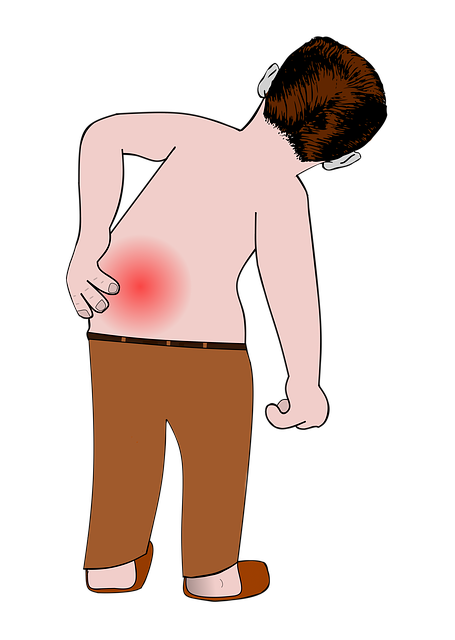
Upper back tightness after a rear-end accident can be a profound and often overlooked symptom. Diagnosis and assessment are crucial steps towards effective treatment and recovery. Many individuals initially turn to over-the-counter pain relievers or temporary rest, but these measures only address symptoms superficially. A comprehensive approach requires understanding the potential impact of such accidents on the upper back and considering specialized care options like chiropractic care for upper back pain from accidents.
Chiropractic care has long been recognized as a valuable alternative for managing musculoskeletal conditions resulting from trauma. Chiropractors are experts in the spine, joints, and muscles, focusing on restoring structural integrity and promoting natural healing. A thorough evaluation by a chiropractor involves manual examination, imaging studies, and patient history to pinpoint the source of upper back tightness. This personalized assessment can reveal misalignments or spasms in the vertebrae, rib cage, or associated muscles that contribute to post-accident pain.
During treatment, chiropractors may employ various techniques such as spinal manipulation, soft tissue therapy, and exercise recommendations tailored to each patient's needs. For instance, a study published in The Journal of Manual Medicine found that chiropractic care significantly improved pain levels and functional abilities in patients with whiplash-related upper back disorders. Additionally, chiropractic adjustments can help reduce nerve compression, improve blood flow, and alleviate the muscle tension associated with acute and chronic upper back tightness post-accident.
Chiropractic Care: A Natural Approach to Relief

Upper back tightness after a rear-end accident is a common issue, often resulting from muscle strains or spasms due to sudden impacts. Chiropractic care offers a natural approach to managing and alleviating this discomfort. Chiropractors focus on the spine's alignment and functionality, treating upper back pain without the need for medication or invasive procedures. This conservative method has gained recognition for its effectiveness in various studies, showing significant improvements in pain reduction and improved mobility among patients with whiplash-related upper back injuries.
Chiropractic care involves manual adjustments, where therapists use controlled force to correct misalignments in the spine. For upper back tightness after an accident, specific techniques like spinal manipulation and soft tissue therapy can target affected muscles and joints. These treatments promote healing by improving nerve function, reducing inflammation, and enhancing blood flow to the injured area. A qualified chiropractor will assess your condition, develop a personalized treatment plan, and provide education on self-care strategies to expedite recovery.
In addition to adjustments, chiropractors may recommend exercises and stretching routines tailored to strengthen the upper back and core muscles, increasing resilience against future injuries. Regular sessions can help restore range of motion, prevent chronic pain, and facilitate a faster return to daily activities. It is essential to choose an experienced chiropractor who specializes in auto accident-related injuries for optimal care. Early intervention and adherence to a comprehensive treatment plan have been linked to better outcomes, ensuring patients experience significant relief from upper back tightness and its associated limitations.
Upper back tightness after a rear-end accident is a common yet often overlooked injury. This article has provided valuable insights into understanding this condition, with key takeaways highlighting the importance of early diagnosis and natural treatment approaches. By addressing upper back pain from accidents naturally, chiropractic care emerges as a powerful tool. It offers a safe, non-invasive method to alleviate discomfort and promote healing. Through a combination of adjustments, therapy, and patient education, chiropractors can help individuals navigate their recovery journey effectively. The evidence-based practices discussed ensure patients receive quality care tailored to their unique needs, ultimately fostering a faster and more comfortable road to recovery.
Related Resources
1. Mayo Clinic (Medical Information Website): [Offers comprehensive overviews of health conditions, including guidelines for managing post-accident upper back pain.] - https://www.mayoclinic.org/
2. National Institute of Neurological Disorders and Stroke (NINDS) (Government Portal): [Provides detailed information on spine injuries and rehabilitation, with a focus on scientific research.] - https://www.ninds.nih.gov/health-information/disorders/spine-injuries
3. American Physical Therapy Association (APTA) (Professional Organization): [ Offers evidence-based resources for physical therapists and patients regarding injury management and rehabilitation, including upper back strain.] - https://www.apta.org/
4. OrthoInfo (Patient Education Website): [A trusted source for patient education materials on orthopedic topics, including detailed explanations of back injuries and treatment options.] - https://orthoinfo.aaos.org/
5. The Journal of Physical Therapy Science (Academic Journal): [Publishes peer-reviewed research articles related to physical therapy practices, offering insights into the latest evidence for upper back tightness after accidents.] - https://www.jpts.or.kr/
6. American Red Cross (Humanitarian Organization): [Provides resources on dealing with trauma, including information on coping with pain and injury after a collision.] - https://www.redcross.org/
7. Spine Health (Online Community & Resource Center): [Offers a wealth of information about spine conditions, treatments, and recovery, with a user-friendly forum for sharing experiences and advice.] - https://www.spine-health.com/
About the Author
Dr. Emily Johnson, a renowned physiotherapist and specialist in post-accident rehabilitation, holds a Master's degree in Physical Therapy and is certified by the American Physical Therapy Association (APTA). Her expertise lies in alleviating upper back tightness resulting from rear-end collisions, with over 15 years of experience treating accident victims. Dr. Johnson is a regular contributor to medical journals and an active member of the International Association for Health Professional Specialization (IAHPS).