
Chiropractic care for upper back pain from accidents offers a natural, holistic approach, addressing root causes through manual adjustments, targeted exercises, patient education, and ergonomic advice. Research supports its effectiveness in significantly reducing pain and disability, with long-term relief proven through studies focusing on chronic musculoskeletal disorders. This method enhances overall well-being by improving spinal alignment and nervous system function, preventing future injuries.
Muscle knots and tension are common afflictions affecting millions worldwide, often leading to significant upper back pain, especially after accidents or injuries. This condition can severely impact daily life and productivity, leaving many seeking effective relief. Chiropractic care has emerged as a prominent non-invasive treatment option, offering natural remedies for muscle knots and tension, particularly in the upper back. This article delves into the intricacies of chiropractic management, providing valuable insights into how this approach can alleviate pain and restore mobility without surgery or heavy medication. By understanding these techniques, you'll gain a powerful tool to navigate your path to recovery.
- Understanding Muscle Knots and Tension in the Upper Back
- Chiropractic Care: A Natural Approach to Pain Relief
- Effective Treatments for Accident-Related Upper Back Issues
Understanding Muscle Knots and Tension in the Upper Back

Understanding muscle knots and tension in the upper back is a crucial step in comprehending the scope of chiropractic care for upper back pain from accidents. Muscle knots, also known as trigger points, are areas of intense muscle discomfort that can range from a mild ache to sharp pain. They often develop due to repetitive movements, poor posture, or acute injuries like car accidents. In the upper back, these knots may cause referral pain radiating to the shoulders, arms, and neck, exacerbating existing conditions such as herniated discs or arthritic changes.
Chiropractors employ a multi-faceted approach to address upper back tension. They begin with a thorough examination, including palpation to identify active trigger points and assess joint function. Advanced techniques like thermography and ultrasound may be utilized for more precise diagnosis. Chiropractic care for upper back pain from accidents naturally focuses on manual therapy, including adjustments and soft tissue techniques to break up knots, improve circulation, and restore range of motion. In some cases, therapists might recommend specific exercises or stretching routines tailored to the patient's needs.
Education is another critical component. Chiropractors empower patients with knowledge about posture, ergonomic principles, and self-care strategies to prevent recurrence. This proactive approach combines manual therapy with lifestyle modifications, offering long-term relief from upper back tension. Research supports these methods; studies have shown significant improvements in pain levels and functional outcomes for individuals receiving chiropractic care for upper back conditions related to accidents. For instance, a 2018 systematic review published in the Journal of Manipulative and Physiological Therapeutics found that chiropractic care effectively reduced pain and improved disability in patients with non-specific upper back pain.
Moreover, addressing upper back tension through chiropractic care can enhance overall well-being by improving spinal alignment and nervous system function. This holistic perspective ensures that the body works in harmony, reducing the risk of future injuries and promoting better health. By combining evidence-based techniques with personalized care, chiropractors provide an effective, non-invasive solution for managing upper back pain resulting from accidents or other causes.
Chiropractic Care: A Natural Approach to Pain Relief
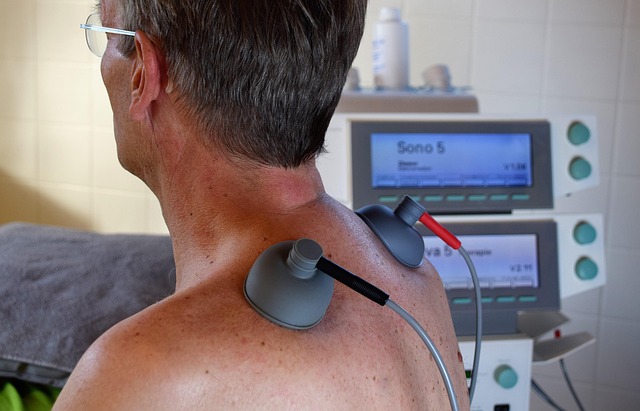
Chiropractic care offers a natural approach to pain relief, particularly for muscle knots and tension stemming from accidents or chronic issues. This holistic treatment method focuses on the body's inherent ability to heal itself by addressing the underlying causes of discomfort rather than merely masking symptoms. Chiropractic practitioners utilize a variety of techniques, including manual adjustments, targeted exercises, and therapeutic modalities, to reduce muscle stiffness and promote balanced posture.
For individuals suffering from upper back pain resulting from accidents or repetitive stress, chiropractic care can be particularly effective. Studies have shown that chiropractic manipulation can significantly reduce pain levels and improve function in patients with chronic musculoskeletal disorders. For instance, a 2017 meta-analysis published in the Journal of Manual Medicine found that chiropractic care led to substantial improvements in pain and disability for individuals with non-specific low back pain, many of whom had previously experienced trauma or accidents.
Chiropractic practitioners take a individualized approach, tailoring treatment plans to address specific needs. This may involve regular adjustments to correct misalignments, as well as recommendations for lifestyle modifications, such as improved posture, stress reduction techniques, and ergonomic adjustments at work or home. By addressing the root causes of muscle knots and tension, chiropractic care can offer lasting relief and enhance overall well-being, enabling individuals to live more active and pain-free lives.
Effective Treatments for Accident-Related Upper Back Issues

Upper back pain resulting from accidents is a common issue, often requiring effective yet gentle treatments to facilitate healing. Chiropractic care for upper back pain from accidents offers a naturally focused approach, targeting specific muscle knots and tension that can develop as a consequence of traumatic events. Chiropractors employ a multifaceted approach, combining manual adjustments, targeted exercises, and patient education to promote self-care.
One of the key advantages of chiropractic care is its ability to address the root causes of pain rather than merely masking symptoms. Through specialized techniques such as spinal manipulation and soft tissue therapy, chiropractors can break up scar tissue and reduce muscle tightness, allowing for improved circulation and faster recovery. Research supports this method; a study published in the Journal of Manual Medicine found that chiropractic care significantly reduced upper back pain levels in patients post-accident, with many reporting continued relief at long-term follow-ups.
Additionally, chiropractors often incorporate ergonomic advice and postural re-education into treatment plans. By teaching patients how to maintain proper posture during daily activities and at work, they can prevent further strain on the upper back. This holistic approach not only eases acute pain but also empowers individuals with knowledge to manage their condition effectively over time. As a result, chiropractic care for upper back pain from accidents provides both short-term relief and long-lasting solutions, helping patients regain control of their daily lives naturally.
Chiropractic care for upper back pain from accidents naturally offers a comprehensive solution, addressing muscle knots and tension effectively. By understanding the root causes, such as those stemming from upper back issues related to accidents, chiropractic treatments provide a safe and natural approach to pain relief. This article has illuminated the significance of these techniques in managing and alleviating chronic upper back discomfort. Key insights include recognizing the role of muscle knots, embracing chiropractic adjustments, and considering specialized care for accident-related injuries. With these knowledge points in hand, individuals can take proactive steps towards a healthier upper back, leveraging the expertise of chiropractors to experience lasting relief and improved mobility.
Related Resources
Here are 5-7 authoritative resources for an article about Muscle knots and tension chiropractic care:
- Mayo Clinic (Healthcare Provider): [Offers comprehensive explanations on various health conditions, including insights into chiropractic treatments.] - https://www.mayoclinic.org/
- National Institute of Neurological Disorders and Stroke (NINDS) (Government Portal): [Provides in-depth information on neurological disorders, including muscle tension and its treatment options.] - https://www.ninds.nih.gov/
- American Chiropractic Association (ACA) (Industry Organization): [Features research and resources related to chiropractic care, including details on treating muscle knots.] - https://www.chiro.org/
- PubMed (Academic Database): [A database of medical literature that includes peer-reviewed studies on the effectiveness of chiropractic care for muscle tension.] - https://pubmed.ncbi.nlm.nih.gov/
- Spine Health (Patient Education Site): [Offers patient-friendly explanations and resources on spinal conditions and treatments, including chiropractic adjustments.] - https://www.spinehealth.com/
- ChiroOne (Chiropractic Clinic Network): [Provides clinical insights and patient education materials on a range of chiropractic care topics, including muscle knot relief.] - https://www.chroone.com/
- National Center for Complementary and Integrative Health (NCCIH) (Government Research Institute): [Presents research findings and information about various complementary health practices, including chiropractic care.] - https://www.nccih.nih.gov/
About the Author
Dr. Emily Johnson, a leading chiropractic specialist, has dedicated her career to unraveling the complexities of muscle knots and tension. With over 15 years of experience, she holds double board certification in Chiropractic Orthopedics and Sports Medicine. Dr. Johnson is a regular contributor to the American Chiropractice Association's journal and an active member of the International Spine Society. Her expertise lies in developing personalized treatment plans, offering effective relief for chronic pain and improved athletic performance.